Table of Contents
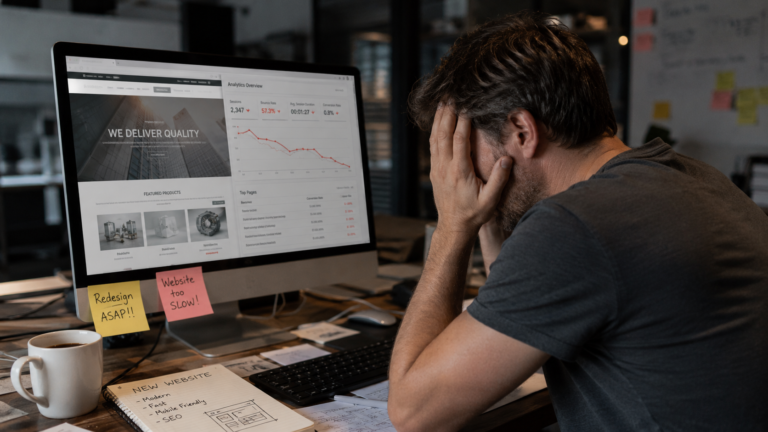
Imagine clicking on a website and waiting… and waiting… and then closing it before it even loads. You’re not alone—most users do exactly that.
Website speed is no longer just a “nice-to-have” feature. It’s a critical factor that directly affects your search engine rankings, user experience, and ultimately, your business growth. Search engines like Google prioritize fast-loading websites because they provide a better experience to users.
If your website is slow, you’re not just losing visitors—you’re losing visibility on Google.
In this article, we’ll break down why website speed matters for SEO, how it impacts rankings, and what you can do to improve it.
What Is Website Speed?
Website speed refers to how quickly your website loads and becomes interactive for users. It’s often measured using metrics like:
- Page load time
- Time to First Byte (TTFB)
- Largest Contentful Paint (LCP)
- First Input Delay (FID)
- Cumulative Layout Shift (CLS)
These metrics collectively form what Google calls Core Web Vitals, which play a major role in ranking websites.
Why Website Speed Matters for SEO
1. Google Uses Speed as a Ranking Factor
Google has officially confirmed that page speed is a ranking signal. This means faster websites have a better chance of ranking higher in search results.
With the introduction of Core Web Vitals, speed is now more important than ever. If your site fails these metrics, it can negatively impact your rankings—even if your content is great.
2. Better User Experience = Better Rankings
Search engines care about how users interact with your site.
If your website is slow:
- Users leave quickly (high bounce rate)
- They spend less time on your site
- They don’t engage with your content
All of these signals tell Google that your site may not be providing value.
On the other hand, a fast website:
- Keeps users engaged
- Increases time on site
- Improves conversions
3. Faster Sites Get Crawled More Efficiently
Google uses bots to crawl your website. If your site is slow, these bots may not crawl all your pages effectively.
This can lead to:
- Pages not being indexed
- Slower updates in search results
A fast website ensures that search engines can crawl and index your content efficiently.
4. Mobile Performance Matters More Than Ever
With mobile-first indexing, Google primarily uses the mobile version of your site for ranking.
Mobile users often have slower connections, which makes page speed optimization even more critical.
If your website isn’t optimized for speed on mobile:
- Your rankings can drop
- Your traffic can decrease
Understanding Core Web Vitals
What Are Core Web Vitals?
Core Web Vitals are a set of metrics that measure real-world user experience. They include:
- Largest Contentful Paint (LCP): Measures loading performance
- First Input Delay (FID): Measures interactivity
- Cumulative Layout Shift (CLS): Measures visual stability
Why They Matter
These metrics directly impact:
- SEO rankings
- User satisfaction
- Conversion rates
If your website scores poorly, it can hurt both your visibility and your business.
How Slow Websites Hurt Your Business
1. Higher Bounce Rates
Users expect websites to load in under 3 seconds. If it takes longer, they leave.
2. Lower Conversion Rates
Even a 1-second delay can significantly reduce conversions.
3. Reduced Trust
A slow website feels unprofessional and unreliable.
4. Lost Revenue
For e-commerce or service businesses, speed directly impacts sales.
How to Check Your Website Speed
Before improving your website, you need to measure its performance.
You can quickly analyze your website using this free tool:
👉 https://visheswar.com/website-page-speed-checker-tool/
This tool helps you:
- Run a website speed test instantly
- Identify performance issues
- Understand loading time and optimization gaps
- Take steps to improve website performance
It’s a simple way to get actionable insights without needing technical expertise.
Key Factors That Affect Website Speed
1. Large Image Sizes
Unoptimized images are one of the biggest causes of slow websites.
2. Too Many HTTP Requests
Each script, image, and file adds load time.
3. Poor Hosting
Cheap or overloaded hosting servers slow down your site.
4. Unoptimized Code
Messy CSS, JavaScript, and HTML can increase load time.
5. Lack of Caching
Without caching, your site reloads everything every time.
Actionable Tips to Improve Website Performance
1. Optimize Images
- Use compressed formats (WebP, JPEG)
- Resize images properly
- Avoid uploading oversized files
2. Enable Browser Caching
Caching stores parts of your website in the user’s browser, reducing load time on repeat visits.
3. Use a Content Delivery Network (CDN)
A CDN distributes your website across multiple servers globally, reducing latency.
4. Minify CSS, JavaScript, and HTML
Remove unnecessary spaces, comments, and code to make files smaller and faster.
5. Choose Fast Hosting
Invest in reliable hosting with good performance and uptime.
6. Reduce Plugins and Scripts
Too many plugins (especially in WordPress) can slow your site down.
7. Optimize for Mobile
Ensure your website loads quickly on smartphones and tablets.
8. Improve Core Web Vitals
Focus on:
- Faster loading elements
- Stable layouts
- Responsive interactions
9. Lazy Load Images
Load images only when users scroll to them, improving initial load speed.
10. Regularly Test Your Website
Performance isn’t a one-time fix. You should regularly run a website speed test to ensure everything is working smoothly.
A practical way to do this is by using:
👉 https://visheswar.com/website-page-speed-checker-tool/
It helps you track improvements and identify new issues over time.
Real-World Example
Let’s say two websites offer the same service:
- Site A loads in 2 seconds
- Site B loads in 6 seconds
Which one do users stay on?
Which one does Google prefer?
The answer is obvious—speed wins.
Even if Site B has better content, it may still rank lower because of poor performance.
Website Speed and SEO: The Bigger Picture
Website speed isn’t just a technical issue—it’s a business strategy.
It impacts:
- SEO rankings
- User experience
- Brand perception
- Revenue
By focusing on page speed optimization, you’re not just improving your website—you’re improving your entire online presence.
Conclusion
Website speed is one of the most important factors in modern SEO. It affects how users interact with your site and how search engines rank it.
If your website is slow, you’re losing traffic, rankings, and opportunities.
The good news? It’s fixable.
Start by analyzing your website using a reliable website speed test tool like:
👉 https://visheswar.com/website-page-speed-checker-tool/
It’s free, easy to use, and gives you the insights you need to improve website performance and boost your SEO.
Take action today—because in the world of SEO, every second counts.